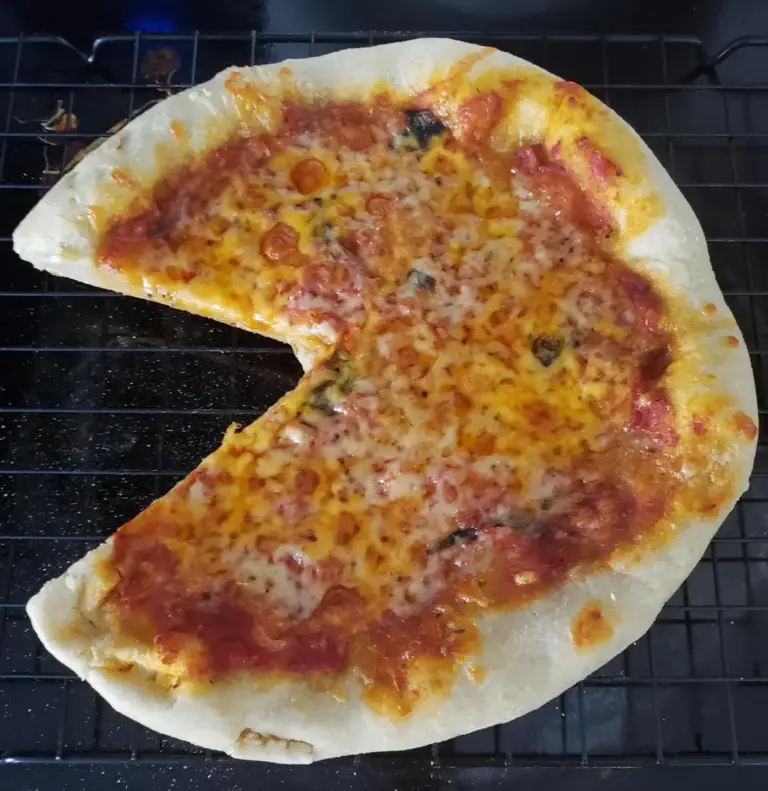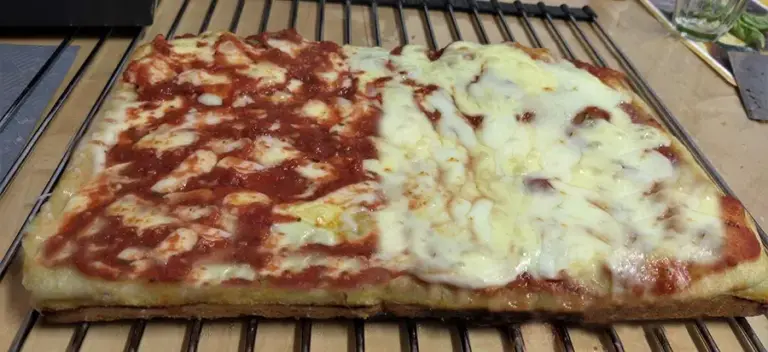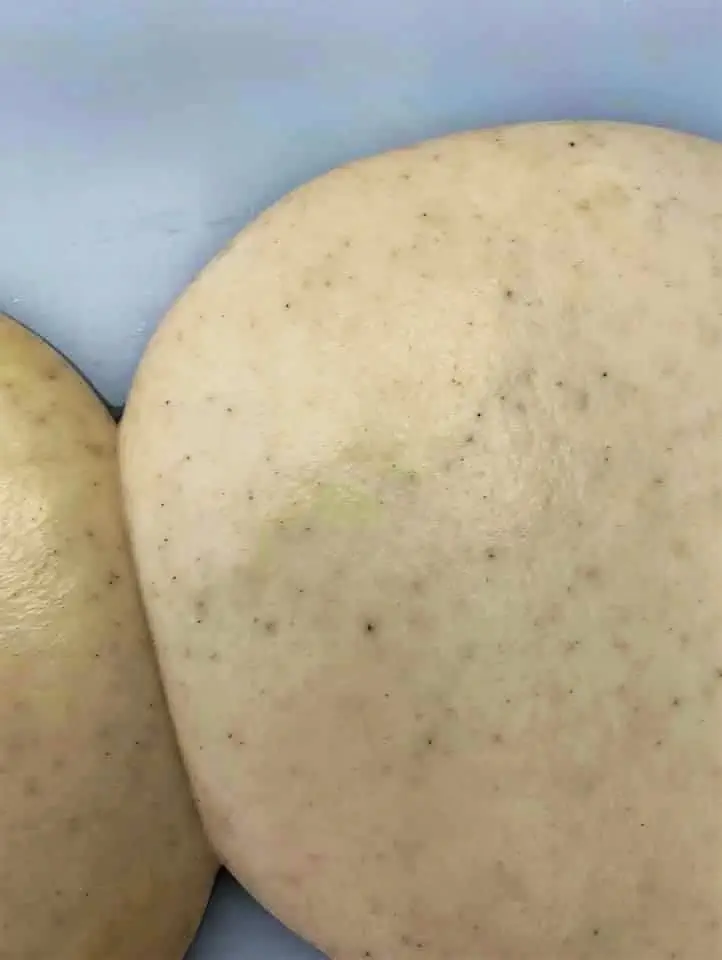
Why Your Pizza Dough is Too Extensible (Overly Stretchy, Tears Easily, or Feels Weak/Sticky) [Causes & Solutions]
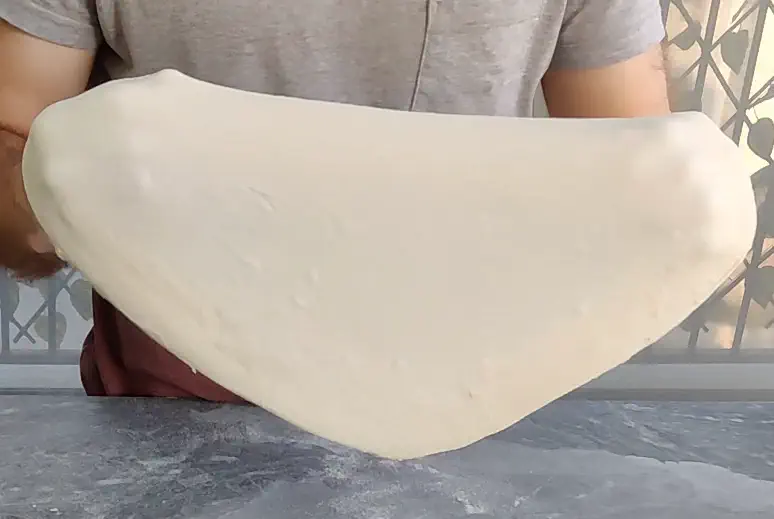
Pizza dough that is too extensible (overly stretchy, lacking structure, and prone to tearing) makes it hard to manage and stretch, often resulting in a thin, uneven pizza base with holes. This lack of resistance is caused by low gluten tension (too much extensibility and too little elasticity), which is nearly always a result of over-fermentation or a flawed dough management process. This page details the exact causes and provides actionable solutions to make your dough easier to manage and stretch
This page is part of PizzaBlab’s Pizza Making Troubleshooting Guide. It provides a practical overview of the most common causes for this problem, each with a brief explanation, actionable solution, and links to related articles for deeper understanding.
The sections are listed from most to least likely, meaning the first cause typically represents the most common reason for this issue, with likelihood decreasing as you move down the list. That said, several causes can often overlap or share similar likelihoods – it’s ultimately up to your process to identify which factors are at play.
Note: Dough that stretches excessively, feels too soft, and tears easily, has become too extensible, usually due to over-fermentation or other factors increasing extensibility. For a deeper understanding of elasticity and extensibility in dough, see Dough Elasticity and Extensibility: Understanding the Two Most Important Properties in Pizza Dough, which is important for understanding the explanations in this section.
Cause 1: The Dough Is Over-Fermented, Has Lost Structure and Lacks Elasticity
Explanation:
The dough has reached over-fermentation, losing its structure, lacking elasticity, and tearing easily.
Solution:
Avoid reaching over-fermentation (see: The Dough Ferments Too Quickly or Is Over-Fermented).
Read More:
- The Maturation Process in Pizza Dough (Breakdown of Protein/Gluten)
- How to Tell if the Dough is Ready for Baking: 4 Dough Fermentation Tests
Cause 2: Too Much Fermentation Time in Balls (Dough Became Too Extensible)
Explanation:
The longer the dough ferments in ball form, the less elastic and more extensible it becomes (and vice versa). Adjusting the balance between bulk and ball fermentation times allows to control the dough’s elasticity and extensibility.
Solution:
Reduce fermentation time in balls and allow the dough to ferment longer in bulk.
Read More:
- Dough Elasticity and Extensibility: Understanding the Two Most Important Properties in Pizza Dough
- Effects of Bulk and Ball Fermentation on Dough Behavior (Elasticity and Extensibility)
Cause 3: Flour Used Is Too Weak or Produces a More Extensible Dough
Explanation:
Using a flour that is too weak (low protein content), or one that produces a more extensible dough (such as Italian flours), results in a dough that is more extensible.
This also applies to wholemeal flours and other wheat varieties (like spelt or rye), whether wholemeal or white. These wheats/flours lack sufficient gluten-forming proteins to build a strong, elastic dough suitable for pizza, and wholemeal flours contain bran and germ that interfere with gluten development. While some may have higher total protein content, their gluten quality is poor, resulting in a weaker dough that’s less ideal for pizza making (see articles below).
Solution:
Use stronger (white) flour with higher protein content or one that produces a more elastic dough.
Read More:
- Gluten Quantity and Quality in Flour (“Strong” vs “Weak” Flour)
- Wholemeal, Ancient, and Other Grain Varieties as Pizza Flour
- Characteristics of Italian Flours
Cause 4: Dough Hydration Is Too High
Explanation:
Higher-hydration doughs are naturally more extensible. The higher the dough hydration is, the less elastic (and more extensible) the dough becomes.
Solution:
Use a lower hydration level.
Read More:
- What Is Hydration in Dough?
- How Hydration Affects Dough Behavior and Handling (Before Baking)
- List of Dough Hydration Levels for Various Pizza Types and Other Baked Products
Cause 5: An Over-Fermented Sourdough Starter or Preferment (Especially Poolish) Was Used
Explanation:
Over-fermented preferments contain significant amount of degraded gluten, weakening the final dough and resulting in a sticky, weak, overly extensible structure.
Solution:
Use the sourdough starter or preferment (especially poolish) at their peak. Avoid using an over-fermented preferment or sourdough starter.
Read More:
← Back to PizzaBlab’s Troubleshooting Index

Enjoyed this article? Join the BLAB
Unlock the Key Takeaways above and enjoy a 100% clean, ad-free experience across the entire site.