Why Your Frozen Pizza Dough Performs Poorly (No Rise, Weak/Fragile) [Causes & Solutions]
When not handled or frozen correctly, pizza dough often performs poorly after thawing, resulting in a weak rise, poor structure, and sub-optimal baking results. This page details the exact causes and provides actionable solutions for achieving the best results when working with frozen dough
This page is part of PizzaBlab’s Pizza Making Troubleshooting Guide. It provides a practical overview of the most common causes for this problem, each with a brief explanation, actionable solution, and links to related articles for deeper understanding.
The sections are listed from most to least likely, meaning the first cause typically represents the most common reason for this issue, with likelihood decreasing as you move down the list. That said, several causes can often overlap or share similar likelihoods – it’s ultimately up to your process to identify which factors are at play.
Cause 1: The Dough Was Not Properly Frozen
Explanation:
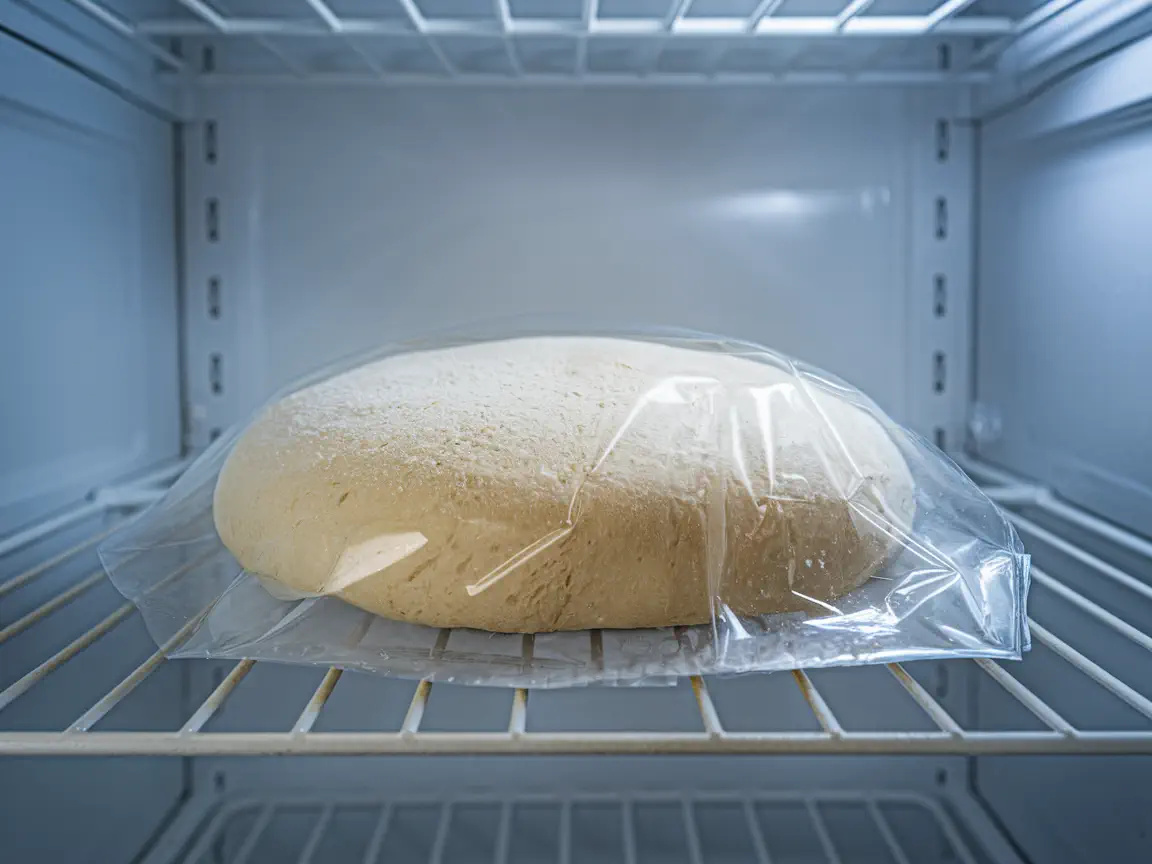
The method and timing of freezing dough significantly affect its performance after thawing. During freezing, yeast cells can be damaged or killed, weakening gluten structure, reducing fermentation ability after thawing, and negatively impacting overall handling and baking results.
Solution:
Follow proper dough freezing best practices (see article below).
Read More:
← Back to PizzaBlab’s Troubleshooting Index
Enjoy the content on PizzaBlab? Help me keep the oven running!