
How Flour Affects Pizza Crust Flavor: Myth vs. Reality
Many pizza makers believe that choosing a ‘premium’ flour is the secret to a flavorful crust. But does the flour itself actually contribute to the taste of the dough, or is it merely a neutral canvas for other processes? This article examines the components of the wheat kernel, and explains why, in the world of white pizza flours, fermentation is the true source of flavor, not the brand of flour you buy
Introduction: The Anatomy of a Wheat Kernel and Its Impact on Flavor
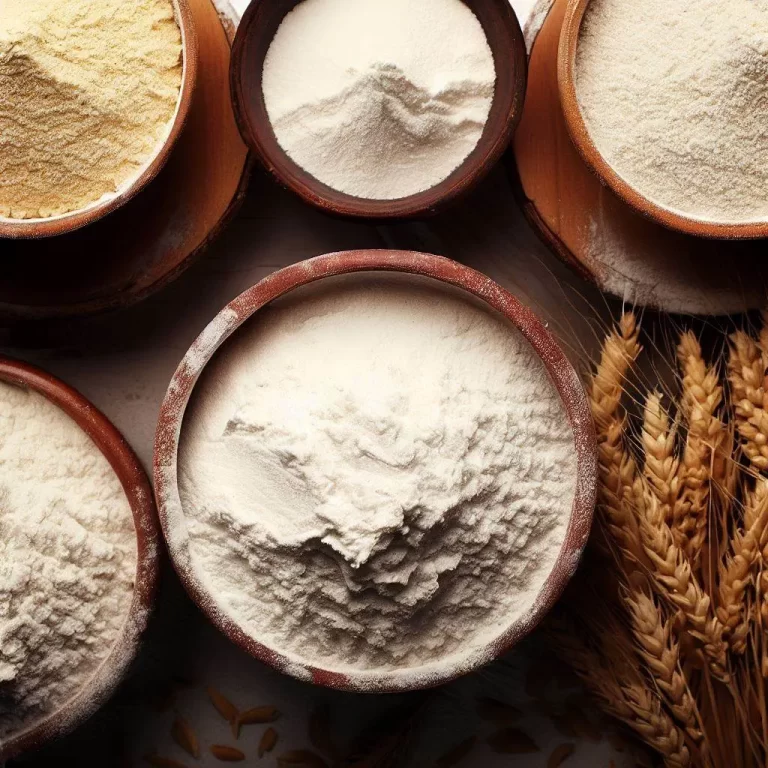
Flour is made up of three main components: endosperm, bran, and germ:

- The endosperm, found at the core of the wheat kernel, is mostly starch (70-75%) and protein. It’s white in color and nearly flavorless.
- The germ, and especially the bran, give wheat (and flour) its natural flavor – earthy, nutty, and slightly bitter. Their colors range from beige-golden (germ) to reddish-brown (bran).
- White flour is made exclusively from the endosperm. During milling, the bran and germ are removed, which is why white flour is white in color and neutral in flavor.
- Wholemeal flour includes the entire wheat kernel – endosperm, bran, and germ– resulting in its darker gray-brown color and a pronounced wheat flavor.
- White flours may still contain tiny amounts of bran and germ, depending on the milling process. This is measured by the flour’s ash content: the more thoroughly the flour is refined (intentionally or not), the lower its ash (bran & germ) content – and the less flavor it contributes.
Now, let’s look at how all this impacts the flavor of your dough.
The Effect of White Flour on Pizza Crust Flavor: Why Refined Flours Result in a Neutral Flavor Profile
As mentioned earlier, white flour is made almost entirely from the endosperm of the wheat kernel, which is nearly flavorless.
This is one reason flour (or pure starch) is commonly used to thicken sauces – it doesn’t alter their flavor.
What does this mean in practice? When dealing with white flours – most of which contain similar amounts of ash (typically up to about 0.65%) – the impact of the flour on the flavor of the dough is minimal to nonexistent.
Since most – if not all – pizza flours (or flours suitable for pizza making) are essentially white flours, everything discussed above applies to all flours typically used for making pizza.
The Effect of Wholemeal (Non-White) Flours on Flavor
Unlike white flour, wholemeal flours include not only the endosperm, but also the germ, and especially the bran – both of which can significantly affect the flavor of the dough.
Wholemeal flours introduce a nutty, earthy flavor, that can sometimes lean bitter or slightly sweet, depending on the type of wheat.
The primary contributor to this flavor is the bran. When we talk about the flavor of “whole wheat flour,” we’re mostly referring to the flavor of the bran. Bran contains phenolic compounds, fats, and pigments that give whole wheat its signature earthy-nutty (and sometimes bitter) flavor.
While the germ also adds flavor, due to its relatively high fat and protein content, its contribution is more subtle and much less significant than that of the bran.
In general, the higher the ash content (a measure of how much bran remains in the flour), the more flavor the flour will [potentially] contribute to the dough.
For example, Italian 00 flours are defined by their very low ash content – the lowest of any flour type. To qualify as “00,” a flour must contain less than 0.55% ash. As a result, 00 flours contain the least bran, and are the most neutral or “bland” in flavor.
Using wholemeal flours, or any flour with a higher ash content, is the only way for the flour itself to directly influence the flavor of the dough.
Naturally, the higher the ash content and the greater the proportion of such flour in your recipe (for example, when blending with white flour), the more pronounced the “wholemeal” flavor will be.
Additional Flour Characteristics That May Affect Dough Flavor
Beyond ash content (i.e., the amount of bran), which can directly impact dough flavor, several other factors may, indirectly, influence how the dough tastes:
- Protein content: Higher protein content can enhance the Maillard reaction during baking, contributing to a more flavorful crust, even when using white flour.
- Enzymatic activity: Amylase enzymes naturally present in flour affect fermentation speed and browning during baking, both of which influence the crust’s flavor.
- Flour freshness: Generally, fresher flour (milled more recently) tends to be more aromatic, though its impact on dough flavor is marginal. On the other hand, spoiled or oxidized flour – especially wholemeal flours rich in fat – can develop rancid, unpleasant flavors (this is less of an issue with white flour due to its lower fat content.)
- Wheat variety: Different types of common wheat (e.g. soft vs. hard wheat) can yield slightly different flavors. However, in the context of pizza dough, these differences are so subtle they’re practically undetectable.
- Ancient grains: Flours made from ancient/other grains like Khorasan, Emmer, and Spelt have distinct flavor profiles, especially in wholemeal form, and to a lesser degree as white flour. That said, these flours are not commonly used (or recommended) for pizza, due to their weak gluten structure.
- Kneading method: While not a property of the flour itself, how you knead the dough affects a natural pigment in flour called carotenoid, which directly impacts the dough’s flavor.
Summary: Does Flour Affect Pizza Flavor?
The short answer is no – at least when it comes to white flour, which accounts for 99% of all pizza dough applications. The type of white flour you use has little to no impact on the flavor of the baked crust. Flour acts as a neutral base with no noticeable influence on the taste of pizza, or most other baked goods.
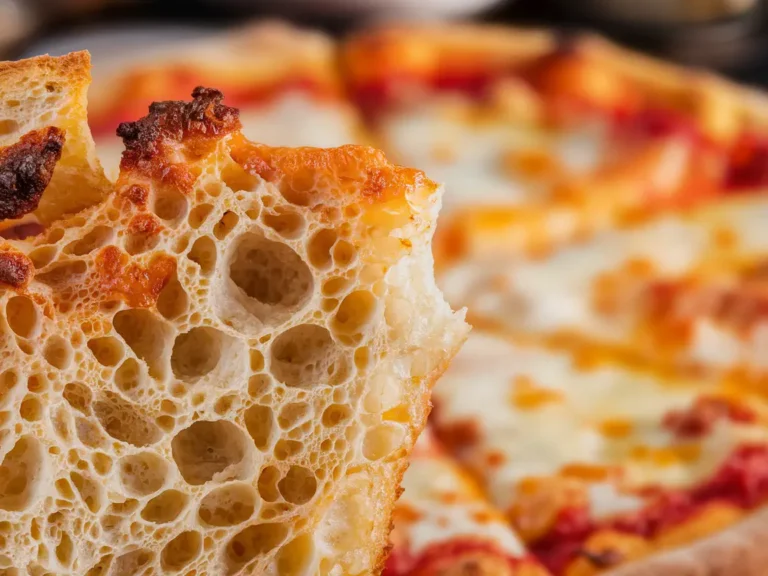
The primary source of flavor in pizza dough is not the flour, but the fermentation process – specifically, the byproducts that develop during fermentation and dough maturation. While white flours with slightly higher ash (bran) content may contribute marginally more flavor, this effect is typically negligible in the context of pizza.
This is especially true for pizza. In a blind tasting of two breads made identically with only the flour changed, you might detect very subtle differences in flavor; But with pizza – topped with sauce, cheese, and various toppings – these small flour-related nuances are completely masked.
Think of it like cooking soup with different brands of bottled water. While the waters may taste slightly different on their own, those differences disappear once cooked into a flavorful broth.
In conclusion: When it comes to white flour, which makes up virtually 100% of what’s marketed as “pizza flour” or flour suitable for pizza making, flavor should not be a deciding factor, or even a consideration at all, as its impact on flavor is minimal to nonexistent.
That said, if you enjoy the earthy, nutty flavors of wholemeal flour, you can absolutely experiment by blending a small amount into your dough (no more than 15% – any more may compromise the dough’s gluten structure and strength), or by using a white flour with a slightly higher ash content for a possible, subtle flavor boost.
People often claim that one white flour “tastes better” than another, often when the “better-tasting” flour is also more expensive or labeled as “premium.” But again, the real factor influencing the flavor of pizza dough is fermentation (or, in enriched doughs, the added ingredients like fat, sugar, and eggs). More fermentation byproducts = more flavor. The only exceptions are flours that have gone rancid or were faulty straight from the mill (improper storage after milling, a flawed milling process, or other handling issues).
If you want to compare flours based on flavor, the only reliable method is to prepare two doughs identically – same formula, same fermentation, same baking – changing only the flour. In most cases where one flour seems “tastier,” the true cause is a difference in preparation, not the flour itself.
Another reason people perceive some flours as better tasting is psychological. A more expensive or “premium” flour often comes with higher expectations; This placebo effect can lead us to believe it tastes better – even when there’s no actual difference.
Key Takeaways
- The White Flour Neutrality:
Most pizza flour is “white flour,” made exclusively from the endosperm of the wheat kernel. Since the endosperm is primarily starch and protein with very little fat or minerals, it is essentially flavorless. - Where Flavor Actually Lives:
The flavor of wheat is concentrated in the bran and the germ. These components are removed during the milling of white flour, which is why refined flours have a neutral taste. - The Role of Ash Content:
“Ash” refers to the mineral content (bran and germ) left in the flour. Flour with higher ash content (like Tipo 1 or Whole Wheat) will have a more pronounced earthy, nutty flavor. Italian ’00’ flour has the lowest ash content, and is therefore the most neutral in flavor. - Fermentation vs. Flour:
The primary source of flavor in pizza dough is the byproducts of fermentation (alcohols, acids, and esters), not the flour itself. If a crust has a deep, complex flavor, it is a result of a long, healthy fermentation process, not the brand of flour. - The Topping Factor:
In bread tasting, subtle flour differences might be detected. However, once a pizza is topped with acidic tomato sauce, fatty cheese, and salty toppings, any marginal flavor nuances from the white flour are completely masked. - Indirect Flavor Contributions:
While flour doesn’t provide flavor directly, it can affect it indirectly through protein content (which aids the Maillard reaction/browning) and enzymatic activity (which provides fuel for fermentation). - The Placebo Effect:
The belief that one brand of white flour “tastes better” than another is often a psychological result of the price tag or “premium” branding. In a controlled, identical test, these differences usually vanish. - Storage and Freshness:
Flour can develop “off” flavors if it becomes oxidized or rancid, particularly in flours containing the germ (fats). Proper storage is more critical to flavor than the specific brand of flour. - The Bottom Line:
For white flour pizza, the “brand” matters for performance (strength, water absorption, etc.) rather than flavor. If your crust is bland, the solution is usually better fermentation, not more expensive flour. - Further Reading:
This article has been excerpted from The Complete Guide to Pizza Flour (a recommended read), and focuses specifically on the topic of how flour affects flavor.

Enjoyed this article? Join the BLAB
Unlock the Key Takeaways above, Get an ad-free experience on the entire site and direct, personal help with your dough or baking questions by becoming a member.

Great information thank you. Here via pizzamaking.com and have enjoyed the discourse you have on the forum (most recently for me was you and TxCraig on an older string). I should have checked this out much earlier in my pizza adventures, it would have saved me time and sub par doughs. The analogy comparing bottled water in soup and flour in dough for pizza flavor clicked immediately for me. Thanks again for this wonderful resource.
Thank you, I really appreciate the kind words, and I’m glad you’re finding the content on PizzaBlab helpful!
Wanted to add to previous comment by saying that I’ve produced what I consider to be the best flavor in a dough with the help of your calculator and preferment articles.
I’m glad to hear that!!