Durum Wheat in Pizza Dough: Understanding Its Impact on Flavor and Texture
Durum wheat (Triticum durum) is a distinct species of wheat known for its high protein content, yellow color, and hard kernel. While most pizza dough is made from common bread wheat, incorporating durum, as flour or semolina, can significantly alter the dough’s behavior and the final crust. This article explores the properties of durum wheat, how it affects your pizza, and how (if at all) you should use it in your dough
What is Durum Wheat?
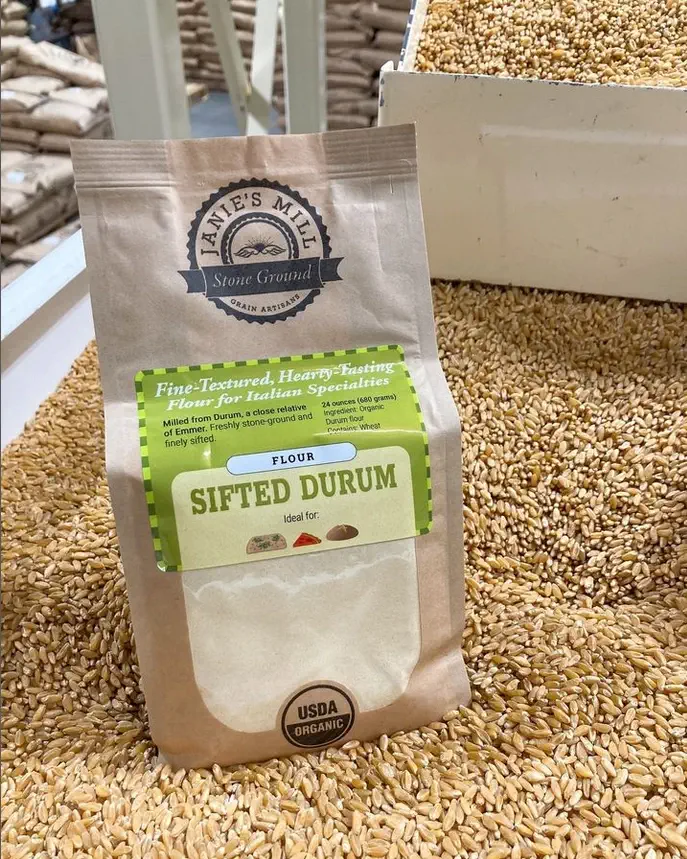
Durum wheat (Triticum durum) is a high-protein, gluten-rich variety of wheat, usually yellow in color (though some varieties are similar to regular wheat).
There’s also red durum, primarily used as fodder.
The protein content in durum wheat typically ranges from 12% to 16%.
Milling durum wheat yields products that can be categorized into three main groups based on granularity (a classification also applicable to regular wheat milling products):
- Coarse Semolina: Used primarily for making dried pasta.
- Fine Semolina: Also known as “Semola Rimacinata,” used commonly as dusting flour and fresh pasta.
- Durum Flour: Similar in granular size and texture to regular white flour, made from durum wheat.
The Difference Between Durum and Common Wheat
The main difference between durum wheat (whether in flour or semolina) and common wheat lies in their gluten-forming proteins.
Gluten from durum wheat is shorter and more elastic, creating a denser, more rigid, and elastic gluten network. This results in a tougher and chewier texture compared to that of common wheat.
The unique gluten structure of durum wheat makes it particularly suitable for pasta, as it provides the firm, chewy texture known as ‘al dente,’ ideal for pasta dishes.
The Effects of Durum Wheat on Texture and Flavor
Effect on Texture
Using durum wheat in dough, whether as flour or semolina, will have several distinct effects on the final texture:
- The dough will become more elastic and resistant to stretching.
- The baked crust will be tougher and chewier, especially as it cools.
- The crumb structure will be denser, more compact, and less airy.
- For very thin, cracker-style pizzas, coarse semolina can create a rough or gritty surface, which may give the impression of added crispiness.
- For pizzas of standard thickness, semolina will not contribute to added crispiness.
Effect on Flavor and Aroma
In terms of flavor, incorporating durum wheat will add a distinct nutty, earthy flavor.
The intensity of this flavor will depend directly on the percentage of durum used in the flour blend.
The Impact of Granularity: Selecting the Right Durum Product
The specific type of durum product you choose, whether flour, fine semolina or coarse semolina, will influence both the behavior of the dough and the texture of the finished crust.
For pizza dough, it is generally recommended to use durum flour or fine semolina rather than coarse varieties. This is based on three technical factors:
- Gluten Development Interference: Coarser grains have ‘sharp’ edges that can physically cut and shear developing gluten bonds. This results in a weaker dough structure.
- Water Absorption Speed: Larger granules have a smaller surface-area-to-volume ratio, meaning they take significantly longer to hydrate. Using coarse semolina typically requires an autolyse to fully hydrate the granules before the kneading process begins.
- Dough Consistency and “Graininess”: Coarse semolina often results in a dough that feels “grainy” and “short” (brittle). This can make the dough more difficult to handle and may lead to an unpleasantly gritty texture in the baked crust.
Does Durum Wheat Resist Burning Better Than White Flour?
There is a misconception that durum wheat has a higher burning point than regular flour; This is not true, as there is no significant difference in the burning point of durum wheat and regular wheat (bread wheat). Both types of wheat will burn at the same temperature during baking.
Key Takeaways
- Understanding the Grain:
Durum is a harder wheat variety than common bread wheat, characterized by its higher protein content, natural golden-yellow color, and distinct, nutty flavor. - Durum Gluten Is Highly Elastic:
Due to shorter gluten strands, durum creates a more elastic (resistant) dough. This leads to a “stronger” dough that holds its shape well, but can be more resistant to stretching. - The Impact on Bite:
Adding durum makes your crust tougher/chewier. - Impact on Crumb:
Adding durum typically results in a tighter, less ‘airy’ crumb structure. - Flavor Profile:
Durum introduces a mild, nutty, and earthy flavor to the crust. - Fineness Matters:
For dough-making, “Durum Flour” or “Semola Rimacinata” is ideal. Coarser semolina is better suited as dusting flour to prevent sticking. - The 25% Guideline:
To avoid a crust that becomes too tough or “leathery”, it is best to limit durum to 25% of your total flour blend. - The “Burning” Myth:
Contrary to common belief, durum wheat does not have a higher burning point than common wheat – both burn at the same temperature.

Enjoyed this article? Join the BLAB
Unlock the Key Takeaways above and enjoy a 100% clean, ad-free experience across the entire site.