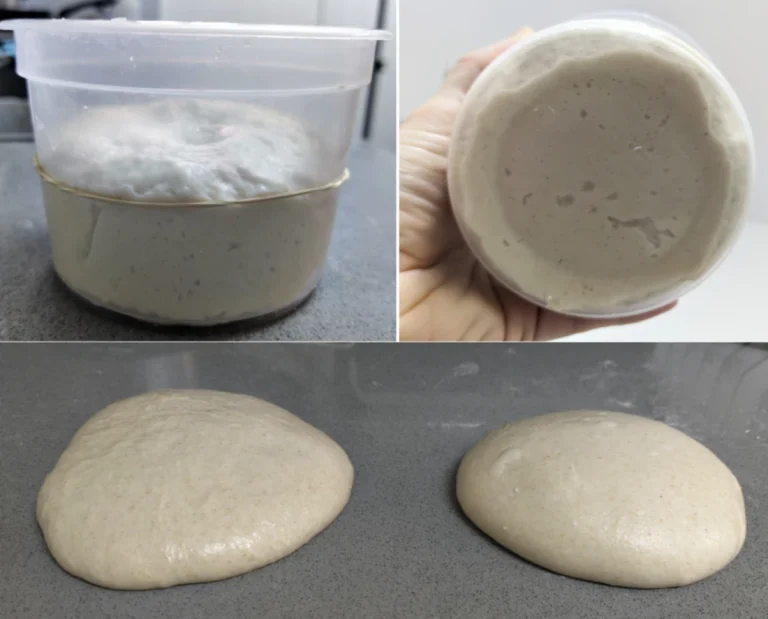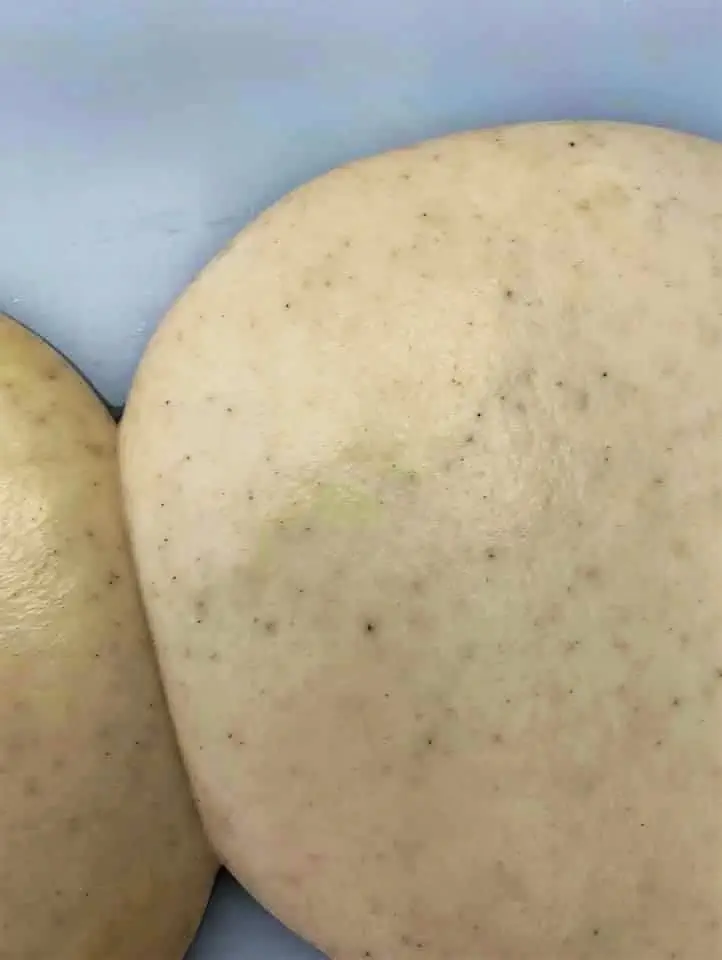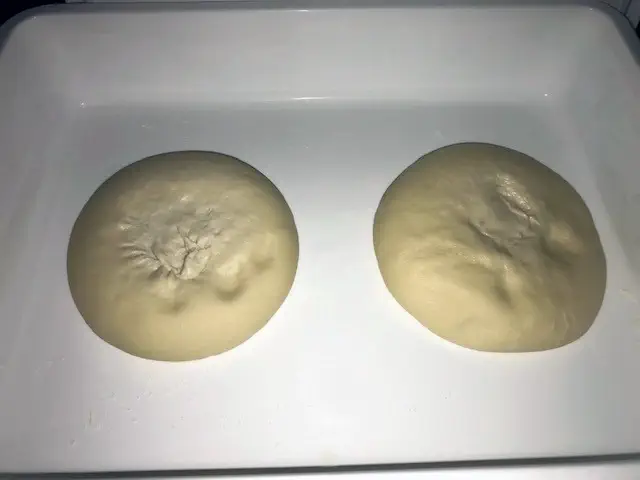
Why Your Pizza Dough Isn’t Smooth After Kneading [Causes & Solutions]
If your dough is failing to smooth out or cannot pass the windowpane test, the underlying problem is almost always tied to the mixing or kneading process. Below, we break down the exact causes and provide actionable solutions for achieving a smooth dough, and also clarify whether achieving that perfect smoothness is actually required for your pizza
This page is part of PizzaBlab’s Pizza Making Troubleshooting Guide. It provides a practical overview of the most common causes for this problem, each with a brief explanation, actionable solution, and links to related articles for deeper understanding.
The sections are listed from most to least likely, meaning the first cause typically represents the most common reason for this issue, with likelihood decreasing as you move down the list. That said, several causes can often overlap or share similar likelihoods – it’s ultimately up to your process to identify which factors are at play.
Cause 1: The Dough Was Not Kneaded Sufficiently (Under-Mixed)
Explanation:
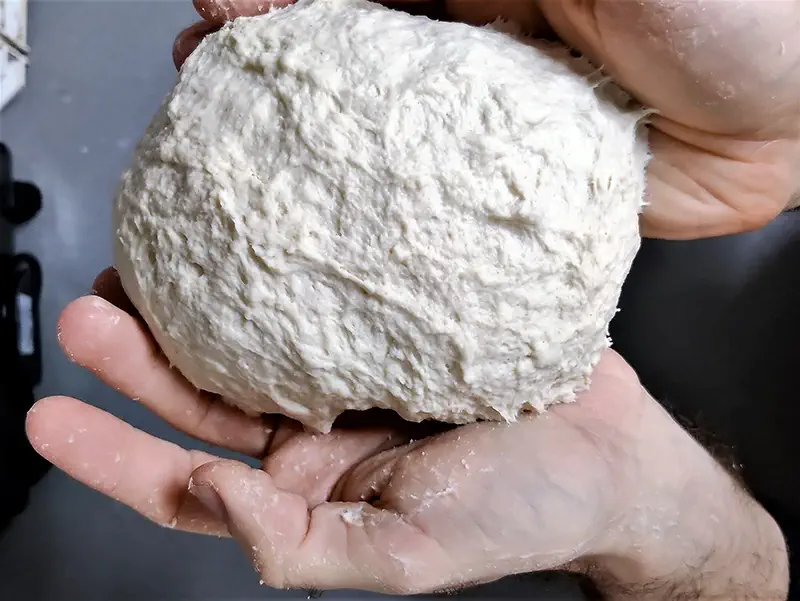
Insufficient kneading/mixing results in incomplete gluten development, giving the dough a rough and uneven texture. This isn’t necessarily a problem by itself (see additional notes below), but rather a sign that the gluten network hasn’t fully formed yet.
Solution:
Continue kneading until the dough becomes smoother, or let it develop naturally through biochemical gluten development – with time, the surface will smooth out on its own.
Alternatively, allow the dough to rest for 15-30 minutes, then resume kneading or perform a stretch and fold session. The rest period relaxes the dough and helps “smoothen” its surface.
Read More:
- What Is No-Knead Pizza Dough and How It Works (Biochemical Gluten Development Explained)
- Pizza Dough Mixing and Kneading Fundamentals: A Guide to the Most Important Step in Dough Making
- Stretch and Folds (Dough “Folding”)
Additional Notes / Information
A dough that isn’t completely smooth after kneading, or doesn’t pass the windowpane test, is not necessarily a problem.
In fact, there’s nothing inherently “wrong” with dough that appears slightly rough, uneven or lumpy after kneading. For long-fermented doughs, it’s actually better to *not* pass the windowpane test, as gluten continues developing naturally during fermentation.
For more on gluten development stages, how long to knead/mix, and what the dough should look like at the end of kneading, see: Pizza Dough Mixing and Kneading Fundamentals: A Guide to the Most Important Step in Dough Making.
The only case where full gluten development (a very smooth dough that passes the windowpane test) is desirable is when making emergency dough – doughs with a very short fermentation time of up to two hours.
← Back to PizzaBlab’s Troubleshooting Index

Enjoyed this article? Join the BLAB
Unlock the Key Takeaways above and enjoy a 100% clean, ad-free experience across the entire site.